

ESD Packaging
Anti-static, shielding and conductive bags with bubble or EPE cushioning options. Low charging, discharge shielding and conductivity are different properties: select the construction for your devices, handling environment and test requirements.
Selection and customization
Related selection guides
- ESD Packaging Selection: Surface Resistance × Shielding × Cushioning
Anti-static, conductive, and shielding are often confused. This article maps Aspirature's 9 ESD products across five decision dimensions (device sensitivity class, surface-resistance tier, shielding requirement, cushioning requirement, test standard), with a 5-step selection method, 4 common pitfalls, and 4 bilingual FAQs.
- Anti-static bags vs shielding bags: selection and acceptance guide
Compare low charging, dissipation and discharge shielding. Plan ESD packaging selection, test documentation, sample checks and custom enquiries.
- Understanding a Four-Layer Shielding Bag
Understand the roles of the protective film, metallic layer, seal layer and low-charging surface in a shielding bag.
- How Anti-static Bubble Packaging Has Evolved: Materials, Structures and Service Life
Compare anti-static, dissipative and conductive packaging constructions and learn what evidence is needed to support a service-life claim.
Application and customization
Explore anti-static, conductive and shielding bags with cushioning options for components, PCBs and precision electronics. Match materials and bag designs to device sensitivity, handling environments and customer acceptance requirements.
- Electronic components and PCBs
- Production handling and storage
- ESD protection and cushioning in transit
Before calling: Device type, dimensions, environment and customer performance and test requirements
-
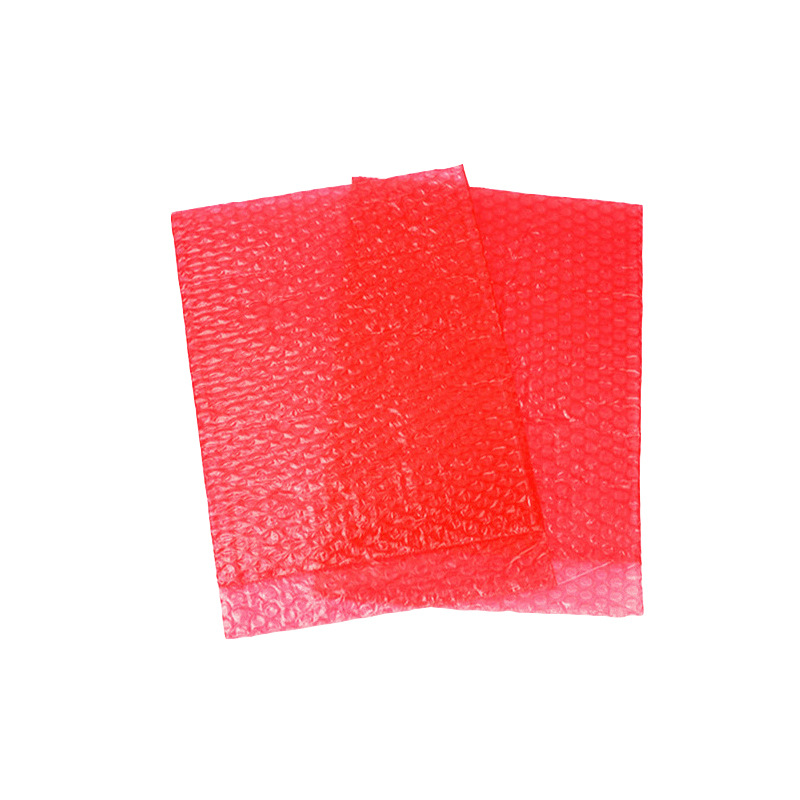 Anti-static Bubble BagsAnti-static bubble bags combining bubble cushioning with an ESD-safe surface for electronic cushion packaging and shipping.
 -
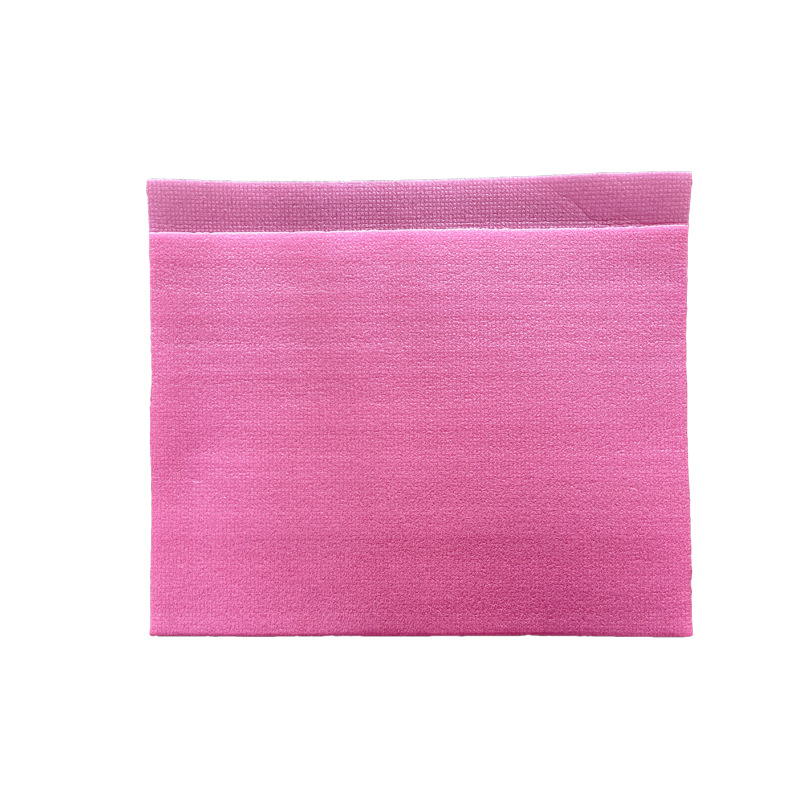 Anti-static EPE BagAnti-static EPE foam bags for electronic surface protection and precision-part cushioning; customisable per order.
 -
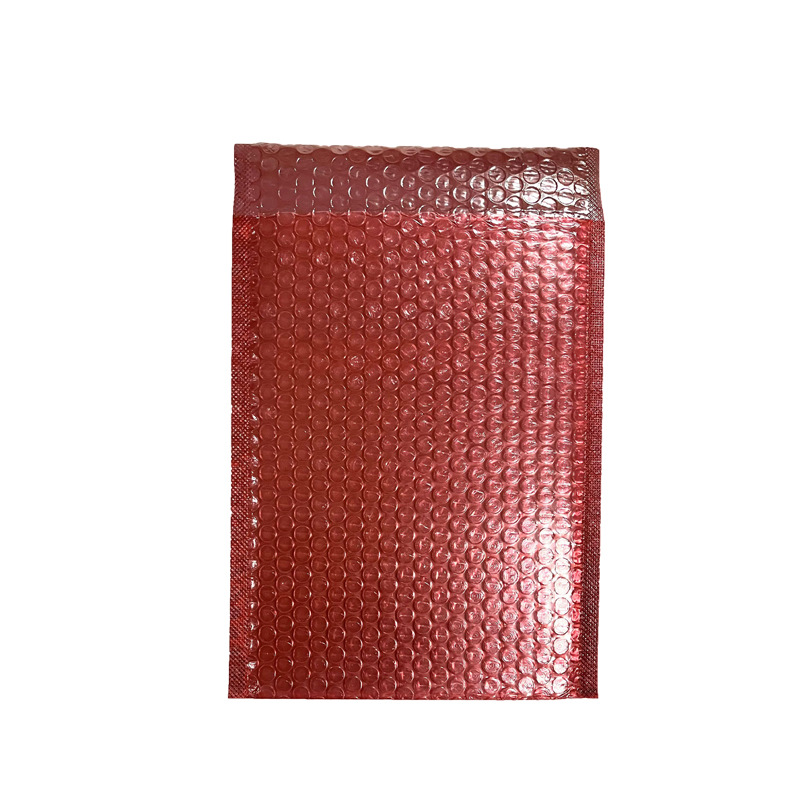 Shielding Film Bubble BagShielding-film bubble bags combining static-field shielding with impact cushioning.
 -
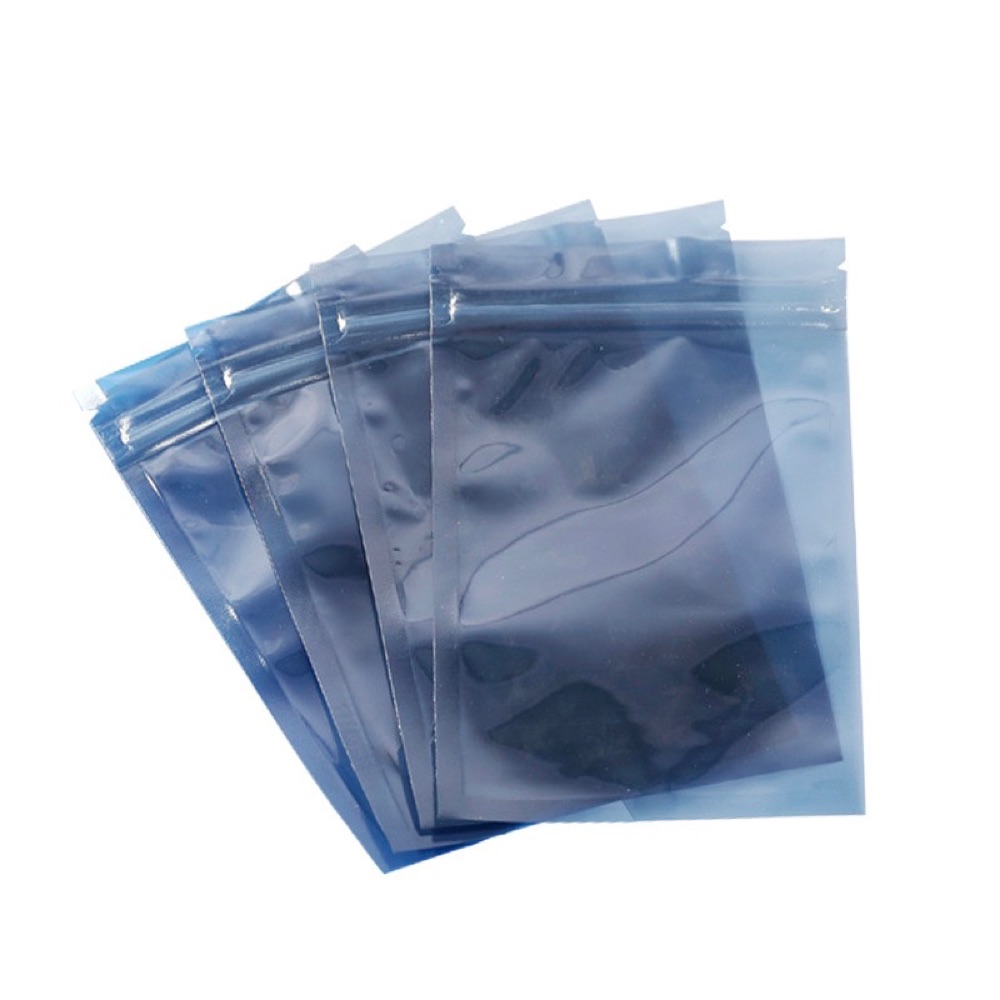 Static Shielding BagsShielding bags for static-sensitive devices — storage, handling and shipping. Multi-layer metallised laminate.
 -
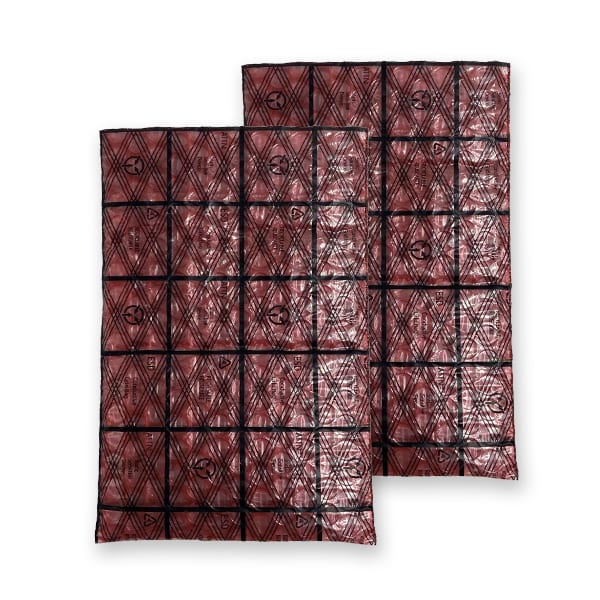 Grid Film Bubble BagGrid-film bubble bags combining grid anti-static dissipation paths with bubble cushioning.
 -
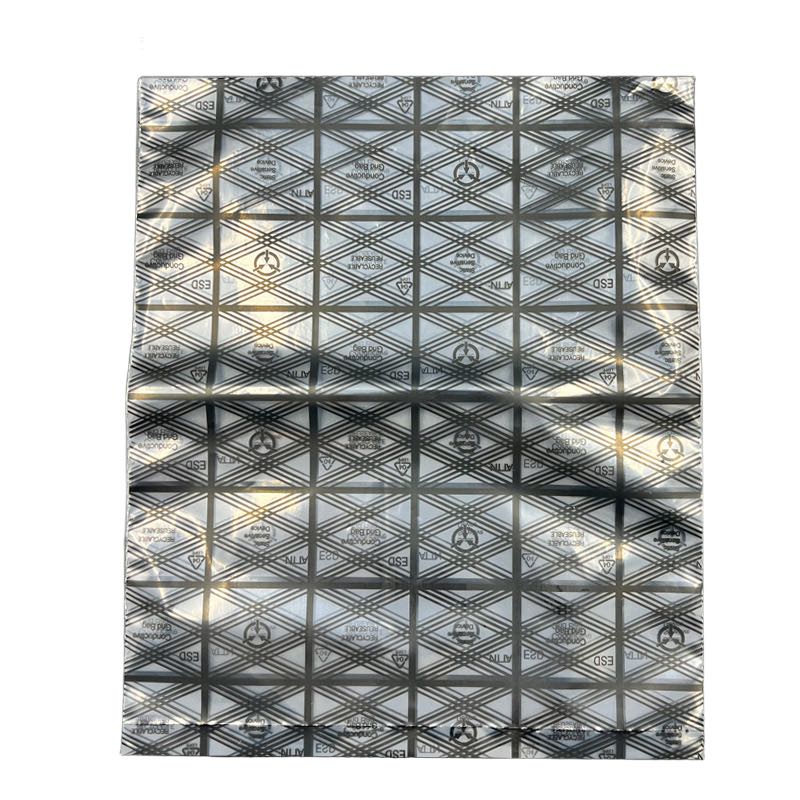 Grid BagGrid conductive bags for moderately static-sensitive electronics; multiple grid patterns available.
 -
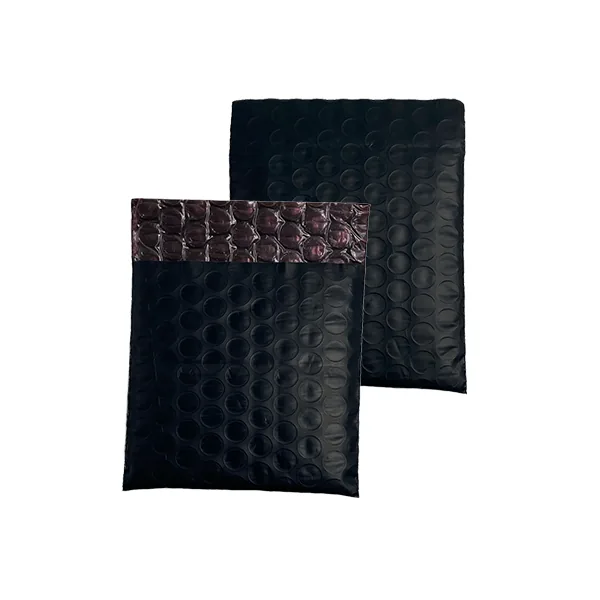 Conductive Bubble BagsConductive-film bubble bags combining low-resistance static dissipation with impact cushioning.
 -
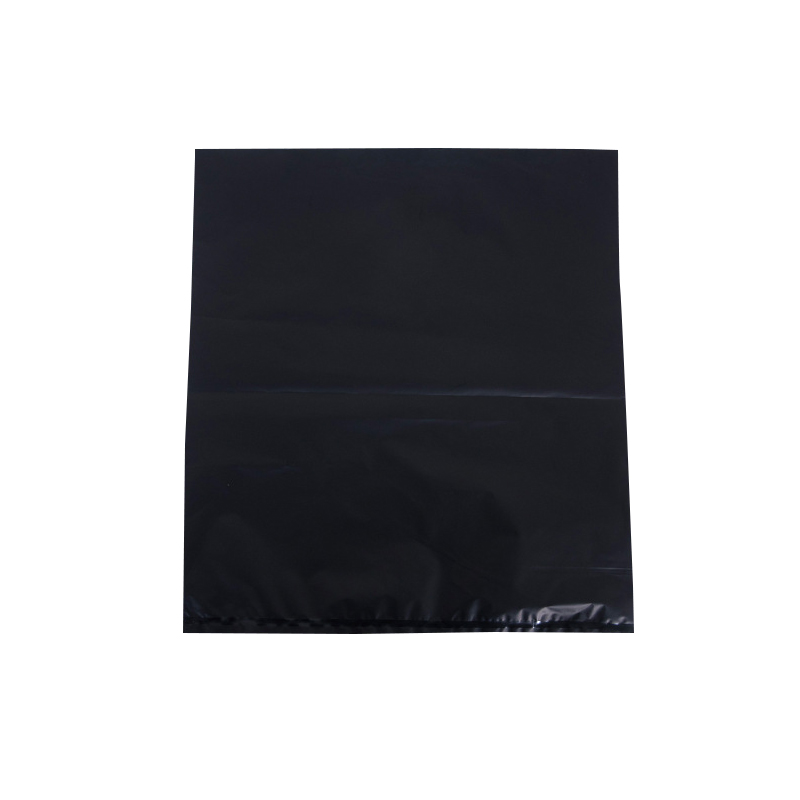 Conductive BagConductive bags for highly static-sensitive electronics; configurable per device and use case.
 -
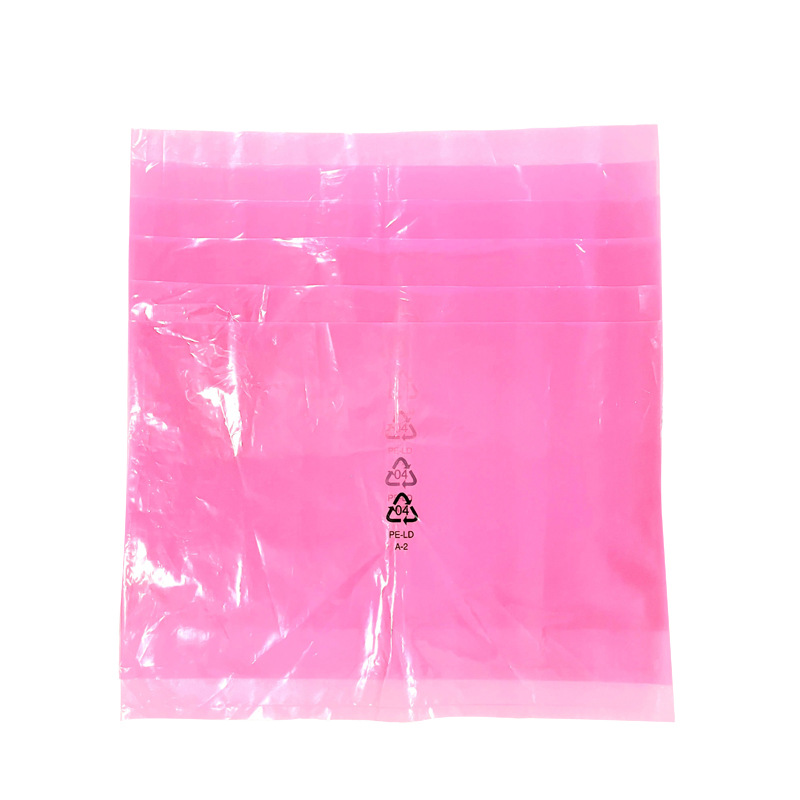 Anti-static PE BagAnti-static PE bags for electronic packaging, storage, handling and shipping; size, thickness, colour and printing customisable per order.
·Selection questions·
Frequently Asked Questions
01 How do anti-static, conductive, and shielding bags differ?
Low charging, conductivity or dissipation, and discharge shielding address different risks. A multilayer bag may provide several of these properties; confirm them with the appropriate tests.
02 Is a lower-resistance conductive bag always better?
No. Resistance is one part of the specification. Select it together with charging, shielding and the device manufacturer’s handling requirements.
03 Is the 10³–10¹¹ Ω range on the anti-static bubble bag a single SKU?
No. Spanning 8 decades physically requires different material systems. Aspirature lists the broad range in the manual; the specific tier is confirmed per customer before quoting.
04 Why combine shielding with anti-static?
Low-charging surfaces limit charge generation during contact, while a suitable shielding structure protects against external discharge. A complete package may need both.